
 Luo Mirror
By Okello Dennis | Lira | 15th April 2026
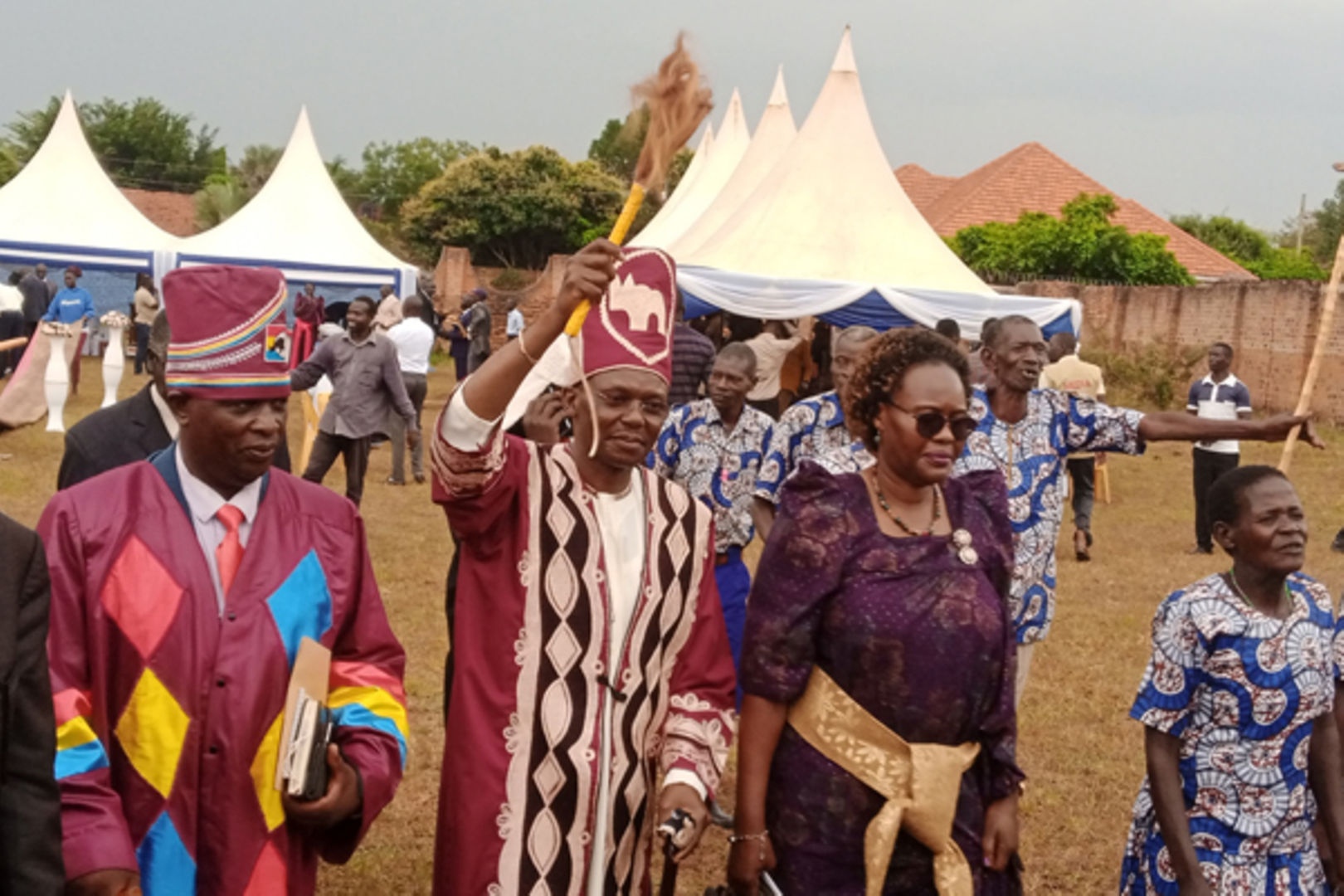
In a move resonating far beyond northern Uganda, the Won Nyaci me Lango has drawn a firm line between culture and politics—stepping back from organising President Yoweri Museveni’s victory celebrations.
For communities across the wider Luo nation—stretching from Uganda to Kenya and into the diaspora—the decision strikes at a familiar and sensitive question: what role should cultural institutions play in the politics of the day?
As political alliances shift and state power deepens its reach into community life, the Lango chiefdom’s stance is being viewed not merely as a local administrative decision, but as a signal moment in the ongoing struggle to preserve cultural independence in an increasingly politicised environment.
Cultural Institution Asserts Neutrality Amid Political Celebrations
A decision by the Won Nyaci me Lango to distance itself from organising President Yoweri Museveni’s victory celebrations has brought renewed focus to the delicate balance between cultural authority and political power in northern Uganda.
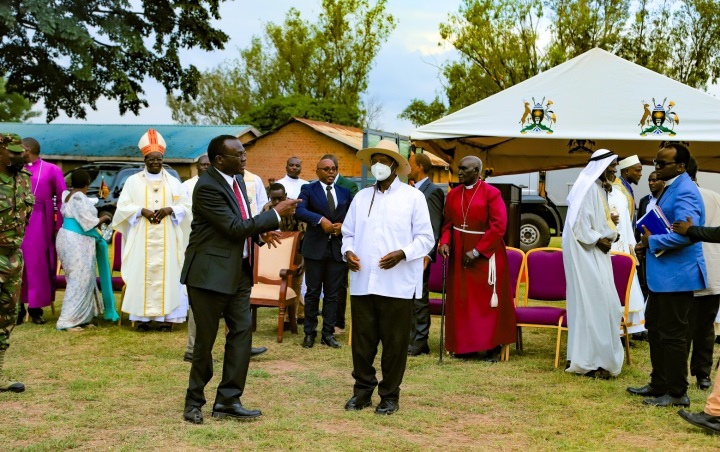
In a formal statement issued in mid-April 2026, the Lango cultural institution clarified that while it supports unity and development in the region, it would not take a leading role in organising what it described as a partisan political event.
The celebration, scheduled for 18 April at Lango College grounds in Lira City, follows President Museveni’s re-election in November 2024 and subsequent inauguration in January 2025.
Legal Boundaries and Cultural Responsibility
At the centre of the decision is a legal requirement under Ugandan law that cultural institutions remain politically neutral.
Spokesperson Patrick Okwir said the chiefdom is “legally barred” from leading or organising events that could be interpreted as partisan.
“We are required to exhibit utmost neutrality and not appear partisan,” he said, underlining the institution’s constitutional mandate to focus on cultural preservation and community development rather than political mobilisation.
Not a Boycott, but a Strategic Distancing
Despite initial reports framing the move as a boycott, the chiefdom’s position is more nuanced.
Officials emphasised that the institution is not opposing the event itself. Instead, it has opted for what analysts describe as “procedural distancing”—declining to organise the celebration while allowing individual attendance and offering advisory support if requested.
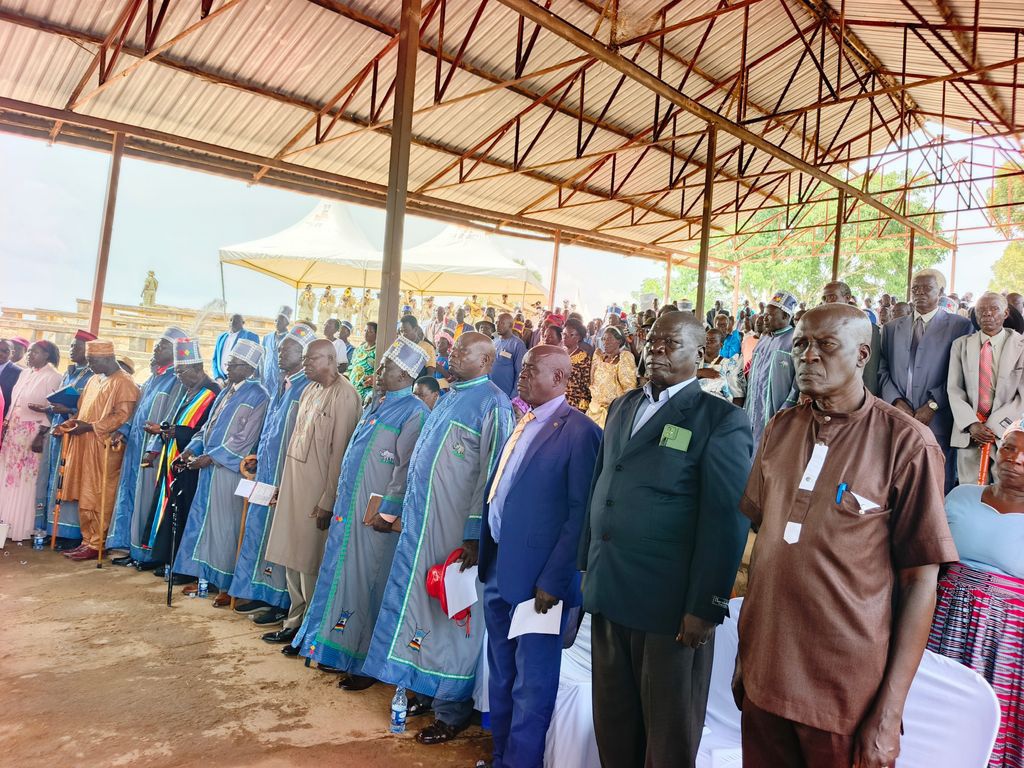
The clarification followed earlier confusion over the nature of the event, which had initially been presented as a public lecture before being formally confirmed by local authorities as a “Thanksgiving and Victory Celebration.”
Strong Political Support Meets Institutional Caution
The decision is particularly striking given President Museveni’s strong electoral performance in the Lango sub-region, where he secured overwhelming support in the last election.
The chiefdom has, in fact, encouraged residents to attend the celebrations in large numbers—highlighting a clear distinction between popular political support and institutional neutrality.
A Region Shaped by History and Transition
The development carries broader significance in northern Uganda, a region still navigating the legacy of past conflicts, including the Lord’s Resistance Army insurgency.
Cultural institutions such as the Lango chiefdom have played a key role in reconciliation, social cohesion and community rebuilding—roles that could be compromised by overt political alignment.
Wider Implications for Governance and Identity
The episode highlights a recurring tension across many African societies: the intersection of traditional authority and modern state politics.
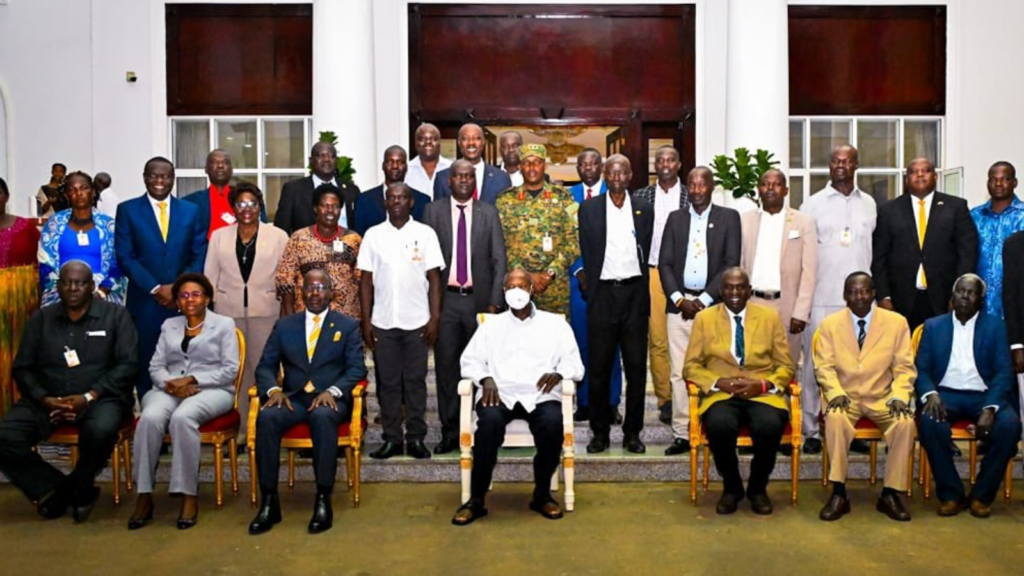
By stepping back from the organisation of the victory event, the Lango chiefdom appears to be reinforcing a principle that could shape similar institutions across the region—drawing a clearer line between cultural stewardship and political endorsement.
Looking Ahead
As Uganda moves further into its post-election cycle, the Lango chiefdom’s stance may serve as a test case for how cultural institutions navigate political expectations without compromising their constitutional roles.
For now, the message from Lira is measured but firm: cultural authority will remain engaged in national development—but not at the cost of its neutrality.