
 Luo Mirror
By Okello Dennis |Gulu |15th April ,2026 ,
Leaders from eastern Acholi in northern Uganda have called for urgent measures to restrict students from attending market days, citing a surge in school absenteeism, teenage pregnancies and gender-based violence.
The proposals emerged from a high-level meeting held in Kitgum Municipality in early April 2026, bringing together education officials, health workers and community leaders from Lamwo, Agago, Kitgum and Pader districts.
Participants described the situation as a growing social and education crisis, particularly affecting girls in rural communities.
Market Days Linked to Dropouts and Exploitation
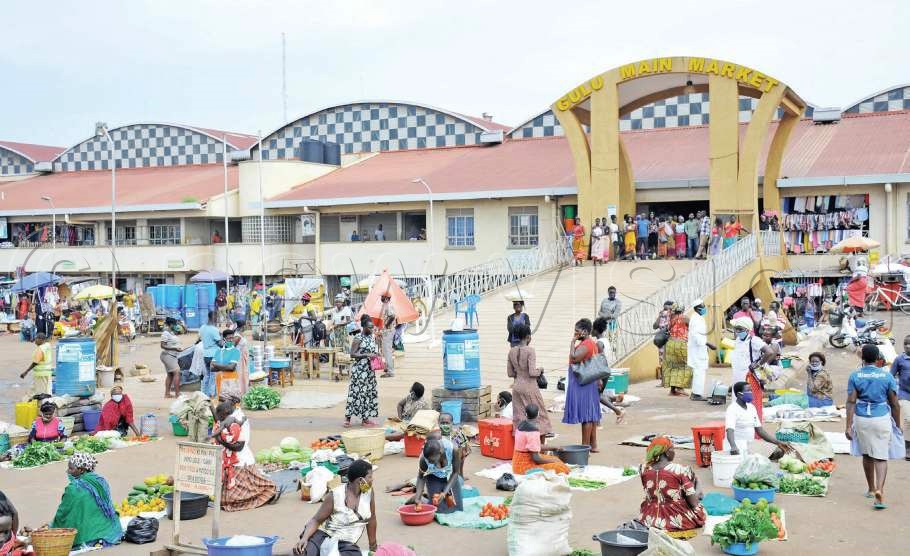
School leaders reported that market days—often held monthly—have increasingly drawn students away from classrooms, especially in the afternoons.
Tom Richard Odyeny, headteacher of Paluda Senior Secondary School in Lamwo District, said students frequently skip lessons to attend markets, where some end up staying overnight.
He warned that such patterns expose learners to risky environments, including night dances and exploitative relationships driven by poverty.
“These trends are directly contributing to school dropouts,” he noted, urging authorities to consider a complete ban on student attendance at markets during school hours.
Girls Disproportionately Affected
Education officials say the impact is particularly severe among girls.
In areas such as Paluda sub-county, teenage pregnancy rates have reached an estimated 18%, according to local health data.
Alice Joy Auma, a senior woman teacher in Agago District, reported sharp declines in attendance on market and auction days, linking the trend to poor academic performance and rising dropout rates.
She also pointed to parental neglect as a contributing factor, with some families relying on children to support household incomes through trading.
Health Sector Calls for Legal Measures
Health officials at the meeting linked market-related activities to increased cases of early pregnancies and gender-based violence.
Francis Okumu, who heads Paluda Health Centre III, called for bylaws to restrict children from attending markets, discos and certain social gatherings, particularly during funeral rites.
He argued that stronger regulation could help curb early marriages and protect vulnerable adolescents.
Push for Coordinated Enforcement
District authorities emphasised the need for a unified response involving schools, parents, local leaders and security agencies.
Anthony Lawot, the Kitgum District Education Officer, said sustained collaboration would be key to ensuring children remain in school.
Meanwhile, Nabinson Nok Kidega warned that shifting cultural practices and weakening parental oversight were undermining education gains in the region.

Security officials attending the meeting indicated they were prepared to enforce new measures, including potential penalties for parents who send children to markets during school hours.
Safeguarding Education in a Post-Conflict Region
The Acholi sub-region continues to recover from decades of conflict, and leaders say protecting access to education is critical to long-term stability and development.
Festo Okidi, from Pader District, highlighted the importance of safeguarding girls from environments that increase their vulnerability.
Balancing Livelihoods and Learning
While markets remain a vital part of rural economies, officials say urgent safeguards are needed to prevent children from being drawn into economic activities at the expense of their education.
The proposed bylaws—if adopted—would mark a significant intervention aimed at reversing declining school attendance and improving outcomes for young people across the region.
Leaders say the ultimate goal is clear: ensuring that classrooms, not marketplaces, shape the future of the next generation.