
 Luo Mirror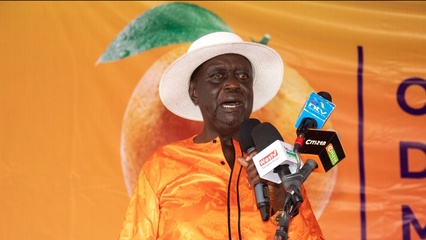
By Clinton Owino | Nairobi | 15 April 2026
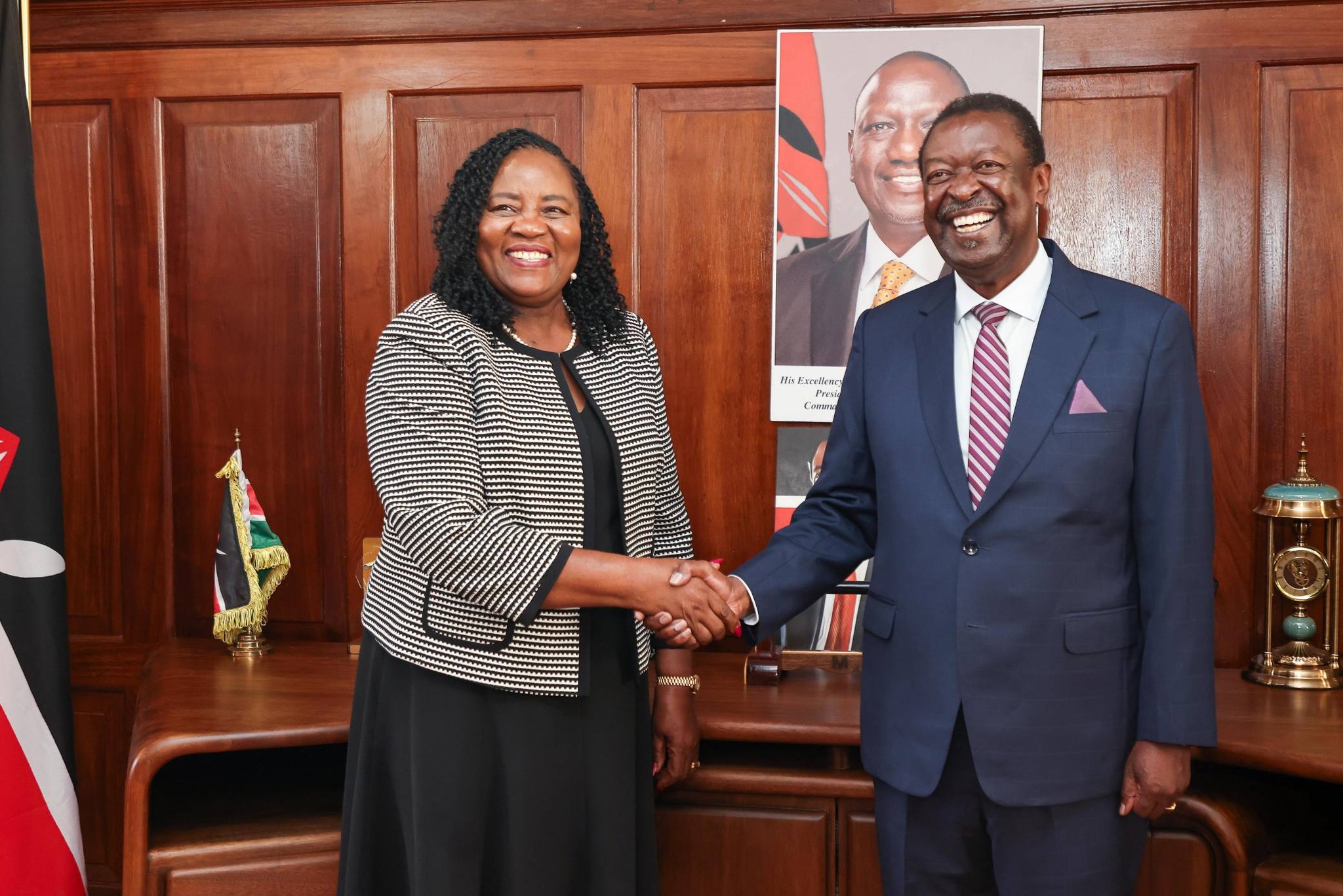
Siaya Senator Oburu Oginga is set to chair a crucial ODM crisis meeting on Thursday, 16 April 2026, bringing together top party officials at a moment of mounting internal tensions and strategic uncertainty.
The meeting comes as the Orange Democratic Movement grapples with widening ideological and leadership divisions, particularly over its evolving relationship with the ruling United Democratic Alliance (UDA).
Party insiders describe the session as a defining moment—not just for ODM’s unity, but for its political direction ahead of the 2027 General Election.
Post-Raila Transition Continues to Shape ODM’s Identity
Since the death of Raila Odinga in 2025, ODM has been navigating a delicate leadership transition. Oburu Oginga, Raila’s elder brother, first assumed the role of acting party leader in October 2025 before being formally ratified.
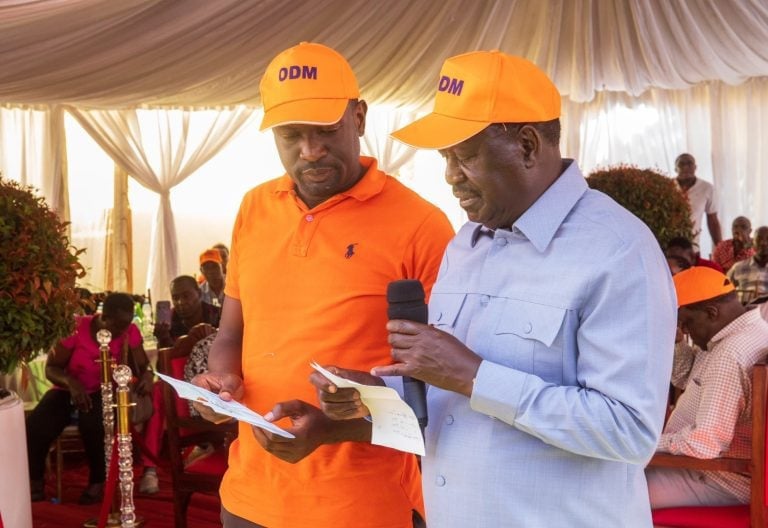
His tenure has been marked by repeated calls for cohesion, as competing factions within the party push divergent visions—some advocating closer cooperation with government, others insisting on preserving ODM’s traditional opposition identity.
UDA Engagement Sparks Ideological Divide
At the heart of the current crisis is ODM’s engagement with President William Ruto and the UDA administration.
Oburu has been a central figure in promoting structured cooperation between ODM and UDA, including backing the controversial 10-point agenda framework and facilitating joint parliamentary engagements.
However, this approach has exposed fault lines within the party.
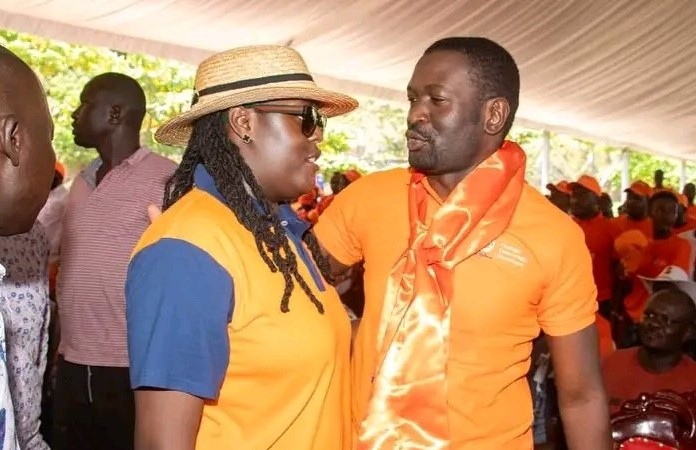
A section of leaders aligned to the so-called “Linda Mwananchi” wing has opposed closer ties with government, warning that such moves risk eroding ODM’s core identity as a watchdog party. In contrast, the “Linda Ground” faction has supported dialogue, arguing it offers a pragmatic route to influence governance and secure development gains.
Pawaa Centre Emerges as Power Hub for Quiet Negotiations
In recent months, Oburu’s Pawaa Centre office in Nairobi has become an unlikely nerve centre for high-level political negotiations.
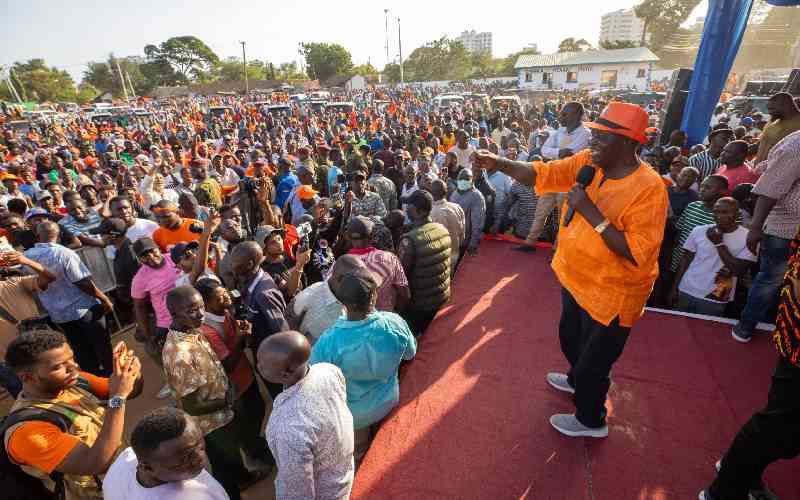
Senior government officials and ODM figures—including Cabinet Secretaries and technocrats—have reportedly held sector-based discussions on energy, treasury, health, and trade. Among those linked to these engagements is Energy Cabinet Secretary Opiyo Wandayi.
Analysts say the shift from public rallies to closed-door policy meetings signals a broader strategic recalibration—one that could reshape coalition politics ahead of 2027.
Internal Discipline and Leadership Wrangles Intensify
Beyond ideology, ODM is also battling internal governance disputes.
Tensions have surfaced over key party positions, including the role of Secretary General, while accusations persist that external actors are exploiting divisions to weaken the party from within.
Allies of Deputy President Kithure Kindiki and Interior Principal Secretary Raymond Omollo have been cited by some ODM figures as influencing internal dynamics—claims that remain politically contested.
Oburu has responded by urging discipline within party ranks, warning leaders against making contradictory public statements on ODM’s position regarding UDA cooperation.
A Party at a Crossroads: Unity or Fragmentation
The upcoming meeting is expected to address several pressing issues:
The future of ODM’s engagement with UDA
Internal party discipline and leadership structure
Strategy for upcoming by-elections and the 2027 race
Reconciliation between rival factions
For many within the Luo political base—long considered ODM’s bedrock—the stakes are particularly high. The party’s internal stability is seen as directly tied to its ability to maintain its historic dominance in the region and its influence nationally.
Wider Implications for Luo Nation and National Politics
ODM’s internal struggles are resonating far beyond party corridors.
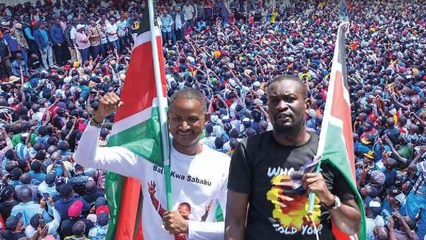
Within the wider Luo nation, the unfolding developments have triggered intense debate—both locally and across the diaspora—about the future of a political movement that has defined regional identity and national opposition politics for nearly two decades.
Observers warn that prolonged divisions could weaken ODM’s bargaining power nationally, potentially reshaping alliances and voting patterns ahead of 2027.
The Road to Thursday—and Beyond
While similar high-level meetings have been convened since late 2025—including sessions in Vipingo and Siaya—Thursday’s gathering is being framed as one of the most consequential yet.
Whether it delivers unity or exposes deeper fractures may determine not only ODM’s immediate future, but also the broader trajectory of opposition politics in Kenya.
For Oburu Oginga, the task is clear but formidable: hold together a party in transition, while redefining its place in a rapidly shifting political landscape.