
 Luo Mirror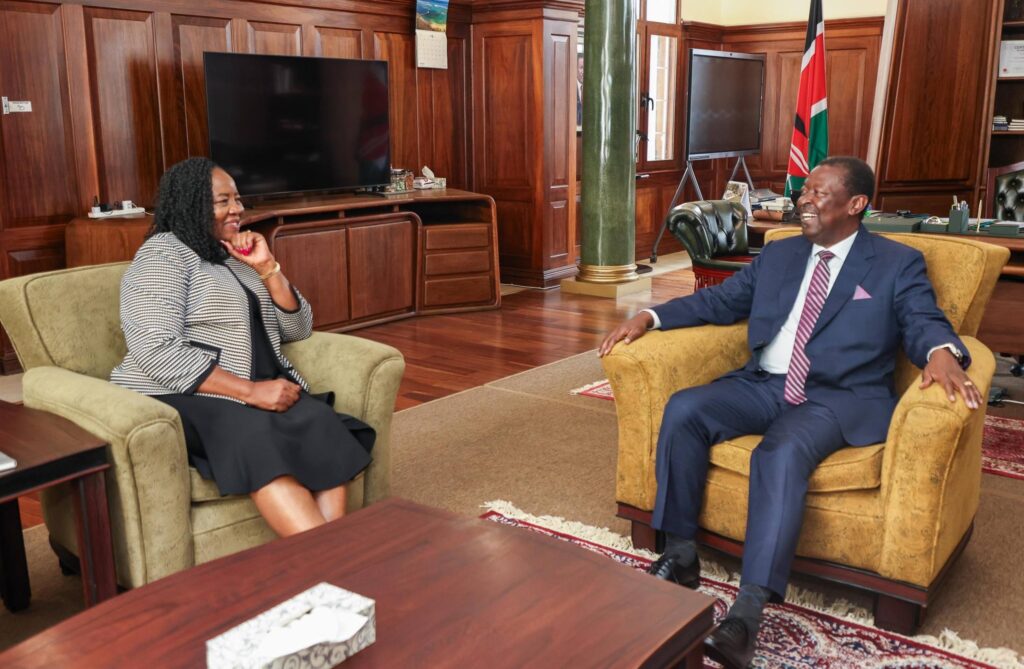
By Morris Onyango | Nairobi | 14 April 2026
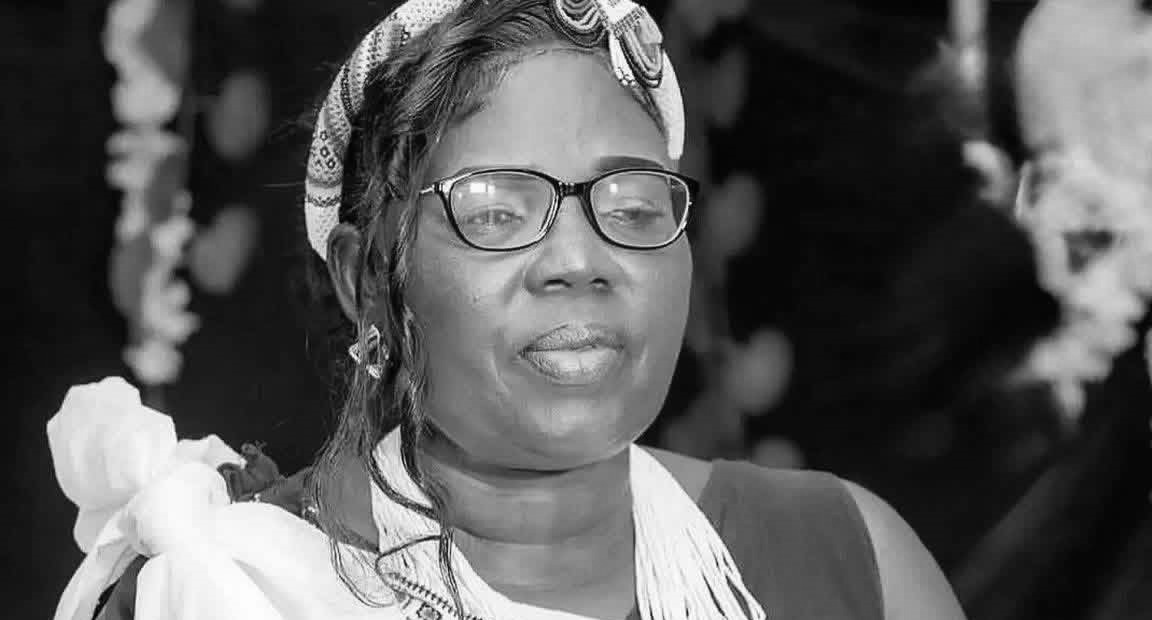
In Kenyan politics, silence is rarely neutral. When Ida Odinga finally spoke on Tuesday, her explanation was personal — but its political consequences may be far-reaching.
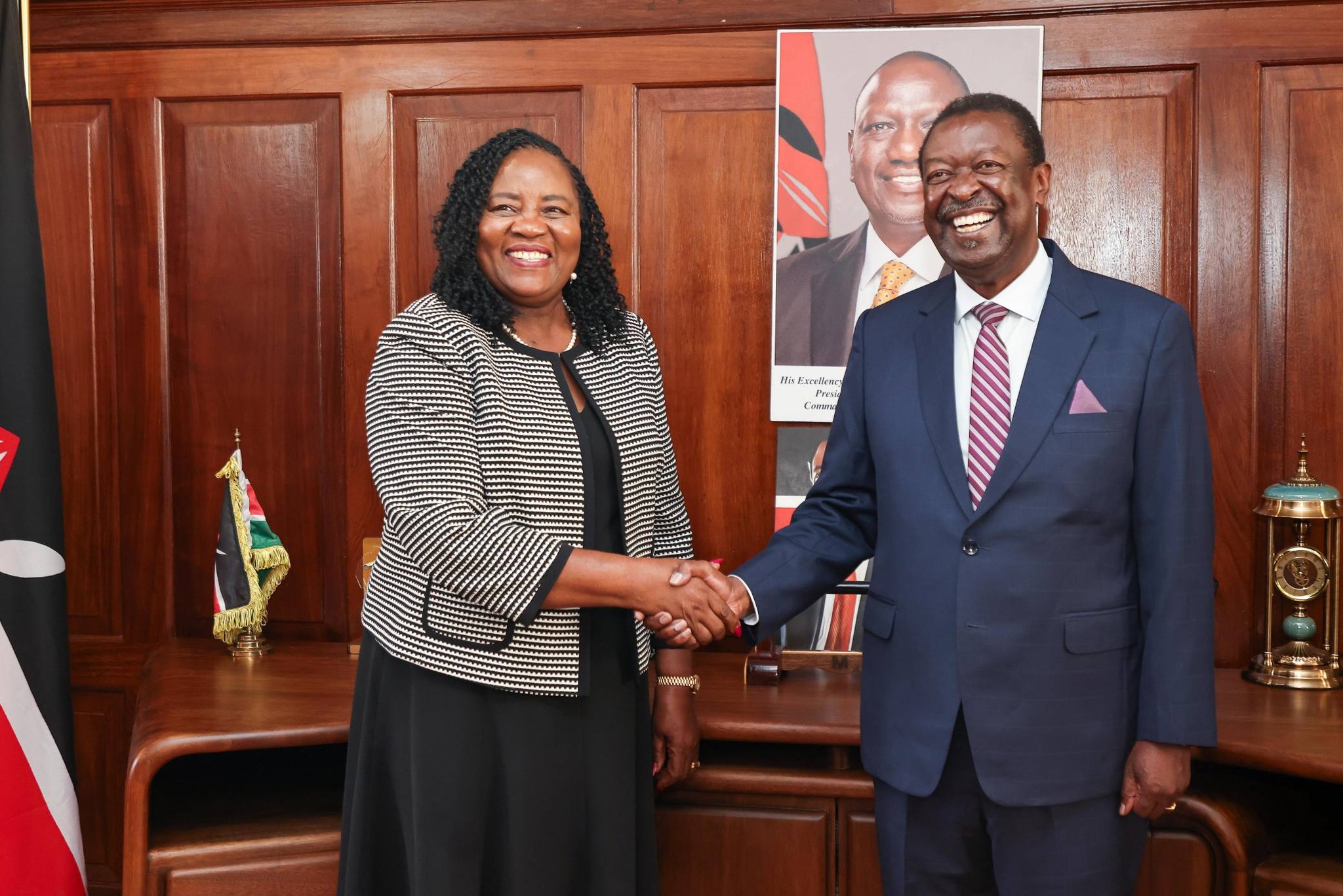
The Kenyan ambassador to the United Nations Environment Programme (UNEP) said her absence from public political life following the death of Raila Odinga had been a matter of mourning, not manoeuvre.
“Personally, I am not a politician,” she told journalists, drawing a clear line between herself and the succession battles now unfolding within the Orange Democratic Movement (ODM).
Yet in a party long shaped by family, legacy and loyalty, her declaration may prove as consequential as any endorsement.
A vacuum after a political giant
The death of Raila Odinga left more than an emotional void; it created a leadership vacuum within ODM — a party that has dominated opposition politics for nearly two decades.
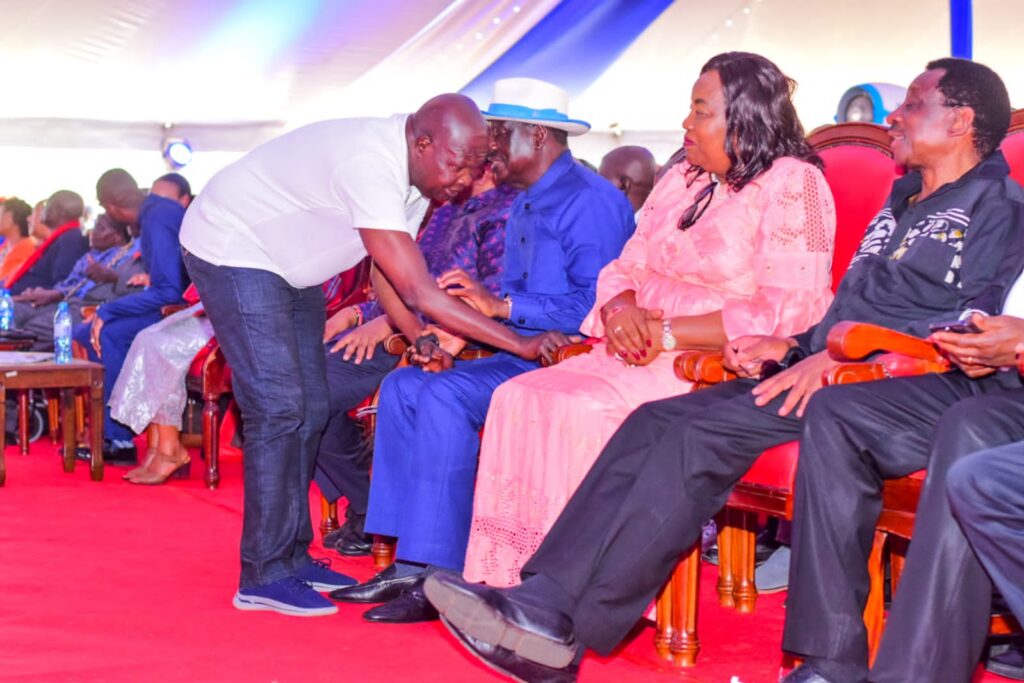
In his absence, attention quickly turned to those closest to him, and few figures carried more symbolic weight than Ida Odinga. As a long-time confidante and influential behind-the-scenes figure, she had often been viewed as a stabilising force within the party.
Her decision to remain silent in recent weeks only fuelled speculation that she could emerge as a kingmaker — or even a unifying figure — in a party now split between competing factions.
Why her statement matters now
The timing of her remarks is striking.
They come at a moment when ODM is grappling with internal divisions, with rival camps loosely defined as pro-government and anti-government — reflecting differing approaches to President William Ruto.
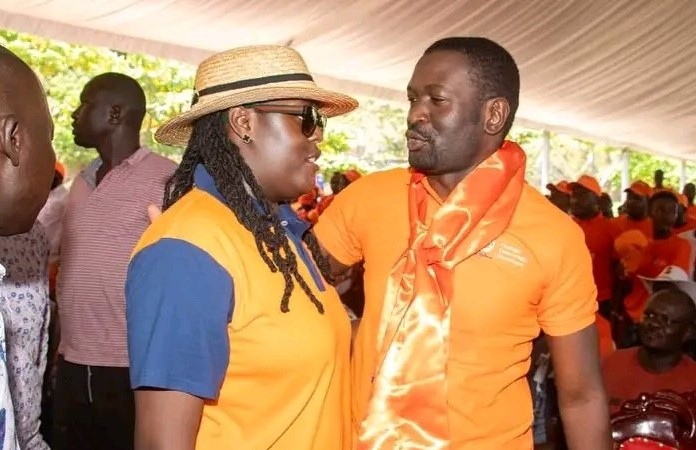
At the same time, her daughter, Winnie Odinga, has signalled interest in a greater leadership role, setting up a potential contest with established figures such as Oburu Oginga.
Against this backdrop, Ida Odinga’s clarification that she is “not a politician” appears to close the door on any direct role in shaping the party’s immediate future — at least publicly.
Her statement also follows closely her formal appointment as Kenya’s ambassador to UNEP earlier this year, a role that positions her firmly within the diplomatic rather than domestic political sphere.
Expectations versus reality
For many within ODM’s traditional support base, particularly in western Kenya, expectations had been high.
Ida Odinga has historically wielded quiet but significant influence — mobilising support, shaping messaging, and acting as a trusted adviser during key political moments. Her presence during past campaigns and crises lent her an authority that extended beyond formal titles.
This made her recent silence all the more conspicuous.
Her decision to step back now, therefore, is not entirely surprising in personal terms — but politically, it runs counter to expectations that she might guide the party through a delicate transition.
Implications for ODM’s internal struggle
Her withdrawal from active political engagement leaves ODM’s succession battle more exposed — and potentially more fractious.
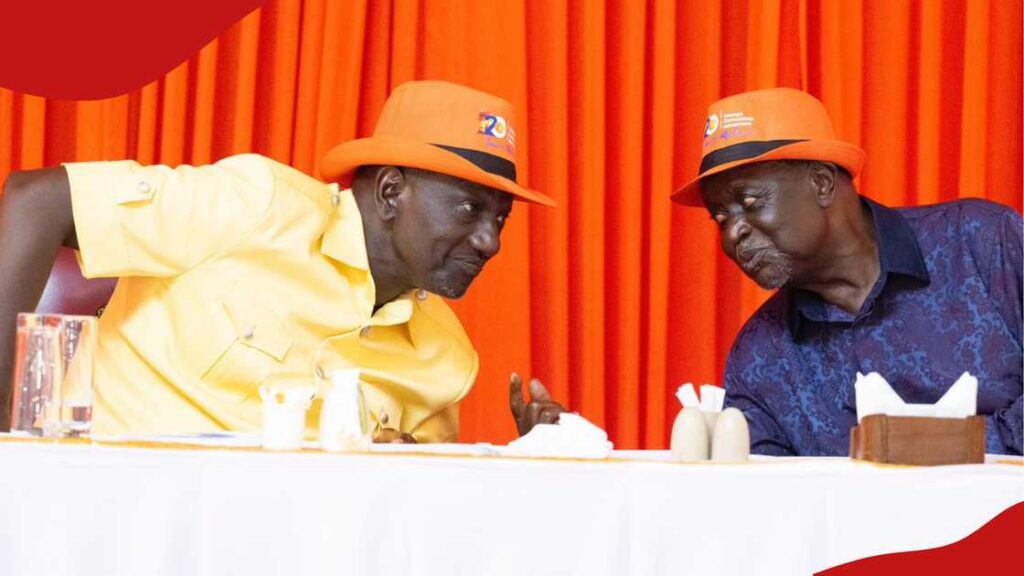
Without a unifying figure at the centre, the contest between factions could intensify. Those advocating a more conciliatory approach towards the government may find greater room to manoeuvre, while hardline opposition voices could struggle to consolidate support without a central authority.
For Winnie Odinga, the absence of her mother’s overt backing creates both opportunity and risk: freedom to chart an independent path, but without the immediate weight of familial endorsement.
For Oburu Oginga and other senior figures, it removes the prospect of external arbitration within the party’s top ranks.
The 2027 calculation
Looking ahead to the 2027 general election, Ida Odinga’s stance could reshape the opposition landscape.
ODM has long relied on unity within its core support base to maintain national relevance. A fragmented leadership contest risks weakening that cohesion at a time when alliances and coalitions are likely to be decisive.
At the same time, her apolitical positioning may carry diplomatic advantages, particularly given her appointment by President Ruto — signalling a degree of cross-political accommodation that is rare in Kenya’s often polarised environment.
Who gains?
In the short term, several actors stand to benefit from her decision:
- ODM’s existing leadership gains space to consolidate control without external influence
- Emerging contenders, including Winnie Odinga, face a clearer — if more competitive — field
- The government may benefit from a less unified opposition
But the broader impact remains uncertain.
A silence that still speaks
Ida Odinga framed her absence as deeply personal — rooted in grief and reflection. Yet in Kenya’s political context, even restraint carries meaning.
By stepping back at a moment of transition, she has not only defined her own role, but also reshaped the terrain on which ODM’s future will be contested.
As the party navigates life after one of its most dominant figures, her silence — and now her words — may continue to echo well beyond the immediate moment.